


Many manufacturing enterprises keep facing frequent quality instability, short service life of mechanical components, and high maintenance costs during mass production. Most operators only focus on surface dimensional accuracy, but overlook material density, internal stress, and casting compactness, which are core hidden defects that directly affect long-term equipment operation. Unqualified die casting parts will cause abnormal wear, air leakage, oil leakage, assembly difficulty and frequent shutdown, bringing unpredictable economic losses to automated assembly lines and precision mechanical equipment. Choosing reliable aluminum alloy die casting components can fundamentally avoid these chronic faults and stabilize the whole production system.
Irregular tiny pores inside ordinary die castings are the most concealed quality hazard that cannot be detected by simple appearance inspection. These micropores will expand gradually under high temperature, pressure and frequent vibration, leading to reduced structural strength, poor sealing performance and easy fracture during load operation. Low-grade raw material ratio further worsens corrosion resistance and oxidation resistance, making parts quickly aging in humid, oily and high-temperature working environments. Professional customized die casting solutions from Timbear Precision Foundry adopt refined smelting and pressure casting processes to eliminate internal pore defects from the source.
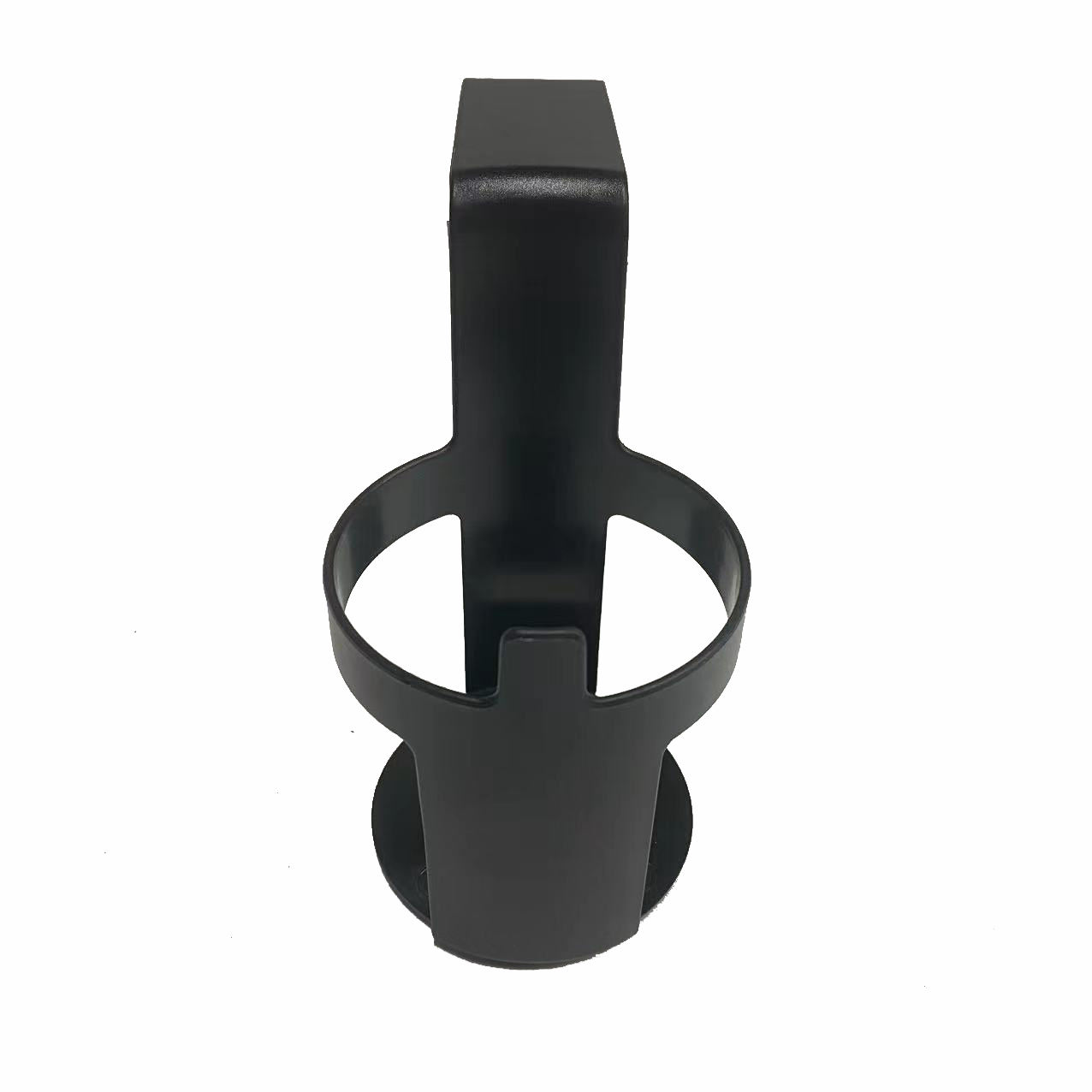
Different application scenarios put extremely differentiated requirements on aluminum alloy die casting performance. Automotive accessories, communication hardware, power equipment, household appliance machinery and industrial structural parts all have unique standards for pressure resistance, wear resistance, heat resistance and dimensional tolerance. Blindly using universal standard parts often results in mismatch performance, premature damage and repeated mold modification. Professional customized die casting products support parameter adjustment according to actual working conditions, matching exact strength, weight, corrosion resistance and assembly precision for different terminal equipment.
Surface treatment quality directly determines the comprehensive service life and environmental adaptability of die casting products. Many cheap castings only carry simple rough polishing, lacking anti-rust, insulation, wear-resistant and aesthetic protective layers. In outdoor harsh environments, these parts are prone to rust, peeling, scratches and paint falling, destroying assembly accuracy and overall product grade. Standard finished aluminum die castings support multiple mature surface processes including anodizing, powder spraying, electroplating and passivation, maintaining stable appearance and performance in complex working conditions for a long time.
Mass production consistency is another key pain point easily neglected by purchasers. Batch-to-batch size deviation, uneven wall thickness and unstable mechanical properties will disrupt automatic assembly rhythm, increase reject rate and extend production cycle. Small-scale workshops lack complete testing equipment and standardized production procedures, unable to guarantee uniform quality across large quantities. Strict full-process quality control realizes stable dimensional tolerance, consistent material performance and unified appearance quality in bulk orders, greatly improving overall production efficiency and reducing comprehensive procurement cost.
Performance Comparison Of Ordinary Die Castings & Premium Precision Aluminum Die Castings
| Performance Indicator | Ordinary Low-Cost Die Castings | High-Precision Custom Aluminum Die Castings | Practical Impact On Production |
|---|---|---|---|
| Internal Pore Rate | High, hidden invisible defects | Ultra-low, dense internal structure | Avoid oil leakage, air leakage and structural fracture |
| Dimensional Tolerance | Large deviation, unstable batch size | Ultra-small tolerance, high matching precision | Smooth automatic assembly, no secondary trimming required |
| High Temperature Resistance | Poor, easy deformation under heat | Excellent, stable structure at continuous high temperature | Suitable for engine, power and thermal mechanical equipment |
| Corrosion & Rust Resistance | Weak, rapid aging in humid/oil environment | Strong long-term anti-corrosion performance | Extend service life by more than 2–3 times |
| Surface Smoothness | Rough burrs, obvious machining traces | Smooth flat surface, no redundant burrs | Reduce friction loss and improve equipment operation stability |
Most buyers prioritize unit price when selecting die casting parts, ignoring subsequent hidden costs including frequent replacement, equipment failure shutdown, assembly rework and after-sales maintenance. Although low-price products seem economical in short-term procurement, frequent quality accidents greatly raise the total operating cost of the whole production line. Precision aluminum alloy die casting parts have higher initial cost but ultra-low failure rate, long replacement cycle and stable matching performance, forming obvious cost advantages in long-term mass production.
Structural customization ability decides whether die castings can adapt complex special mechanical structures. Irregular shape, thin wall structure, embedded interface and special hole position all require professional mold design and precise casting technology. Conventional finished parts cannot meet personalized structural demands, forcing enterprises to carry out secondary mechanical processing, which damages original material density and reduces overall strength. Integrated precision die casting molding completes complex structural forming at one time, retaining complete mechanical performance and shortening overall processing cycle.
Strict quality inspection links run through raw material incoming inspection, mold debugging, casting molding, finish machining and finished product delivery. Each batch of products undergoes dimensional detection, air tightness testing, hardness testing and appearance flaw inspection, ensuring no unqualified flow into downstream production. Complete quality assurance system effectively avoids batch quality accidents, helping customers reduce production risks and stabilize product market reputation.
In the long-term development of mechanical manufacturing, high-quality aluminum alloy die casting has become indispensable basic supporting parts. Solving hidden internal defects, ensuring batch consistency, matching diversified working conditions and optimizing comprehensive cost are core demands that every purchaser pays attention to. Reasonable selection of professional customized precision die casting products can upgrade equipment stability, reduce production loss and achieve sustainable efficient operation of industrial production lines.